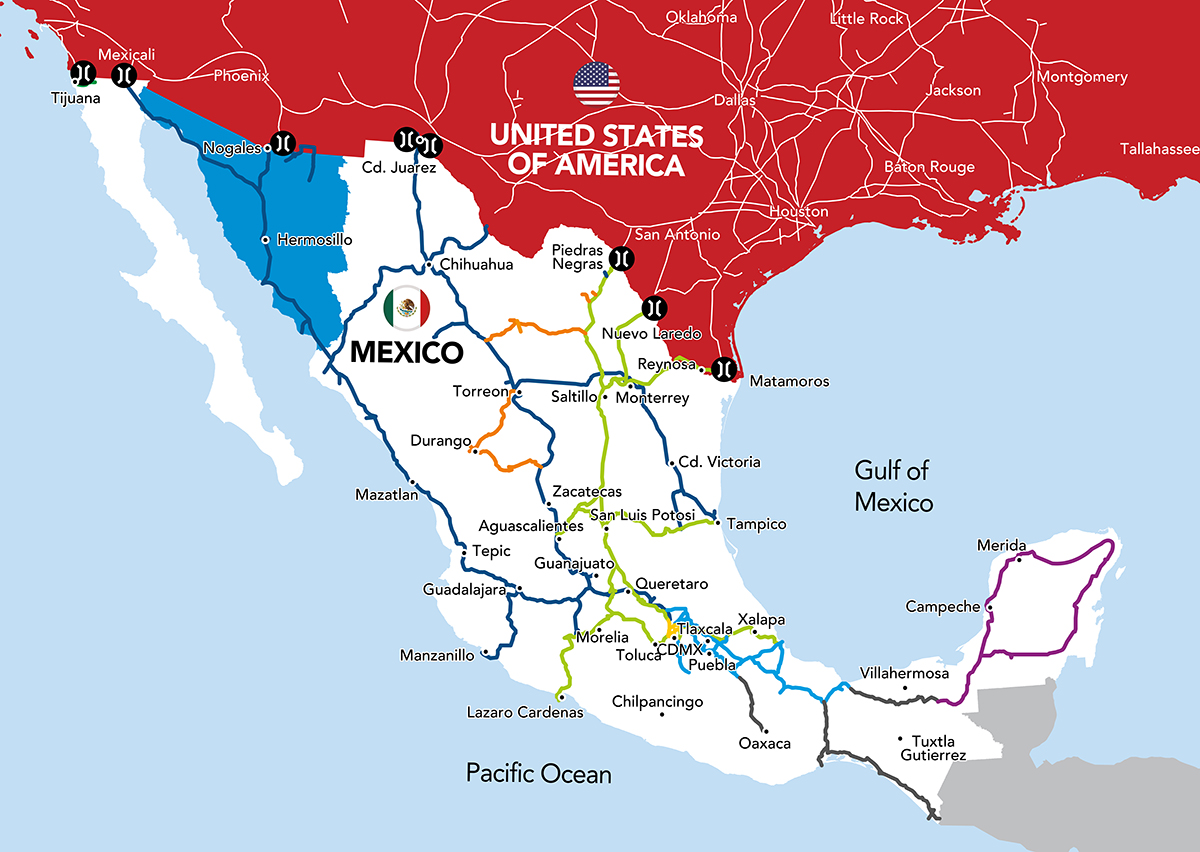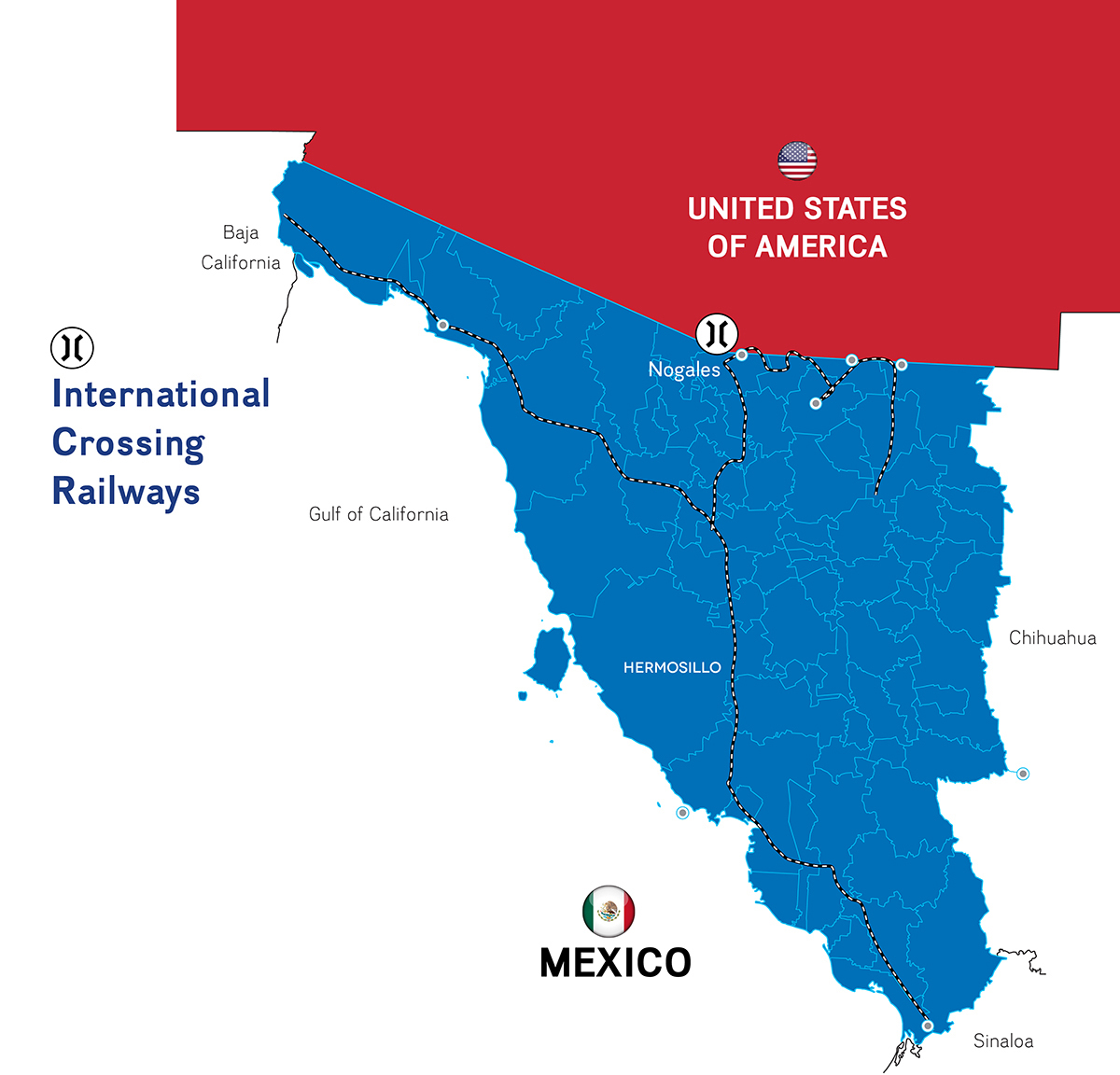


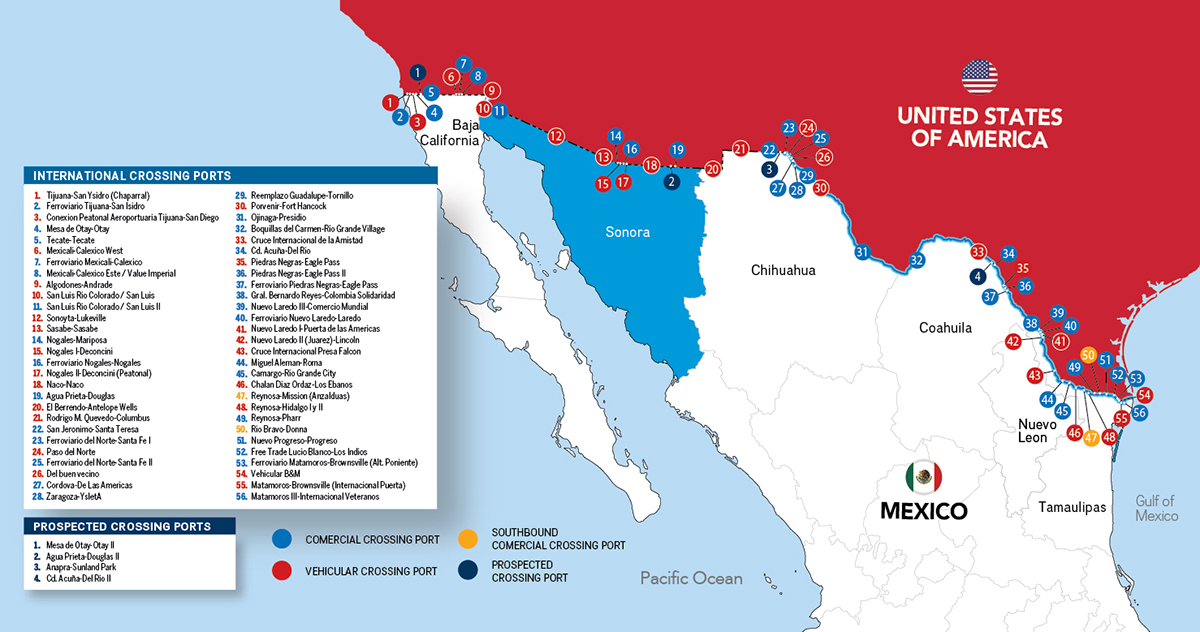
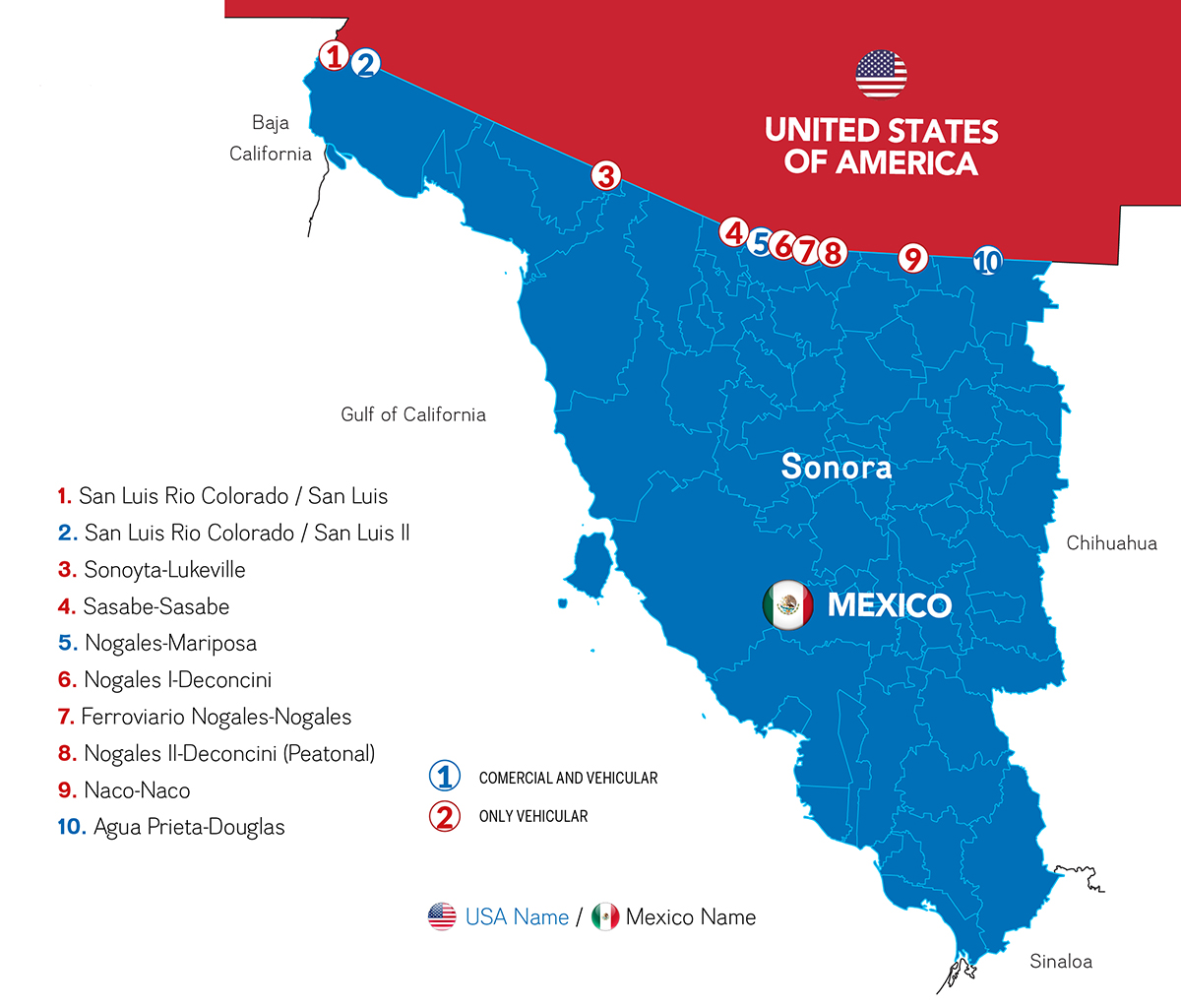
The state of Sonora boasts several international bridges that facilitate connectivity with the United States, thereby strengthening commercial ties between the two countries. Among the most significant connections is the Nogales International Bridge, linking the city of Nogales, Sonora, with Nogales, Arizona, and the San Luis Río Colorado International Bridge, which joins San Luis Río Colorado, Sonora, with San Luis, Arizona.
These international bridges are pivotal for bilateral trade, enabling the efficient and secure passage of goods and people.
Connectivity through these international bridges contributes to economic development and regional growth, fostering investment and commercial exchange between Sonora and the United States.
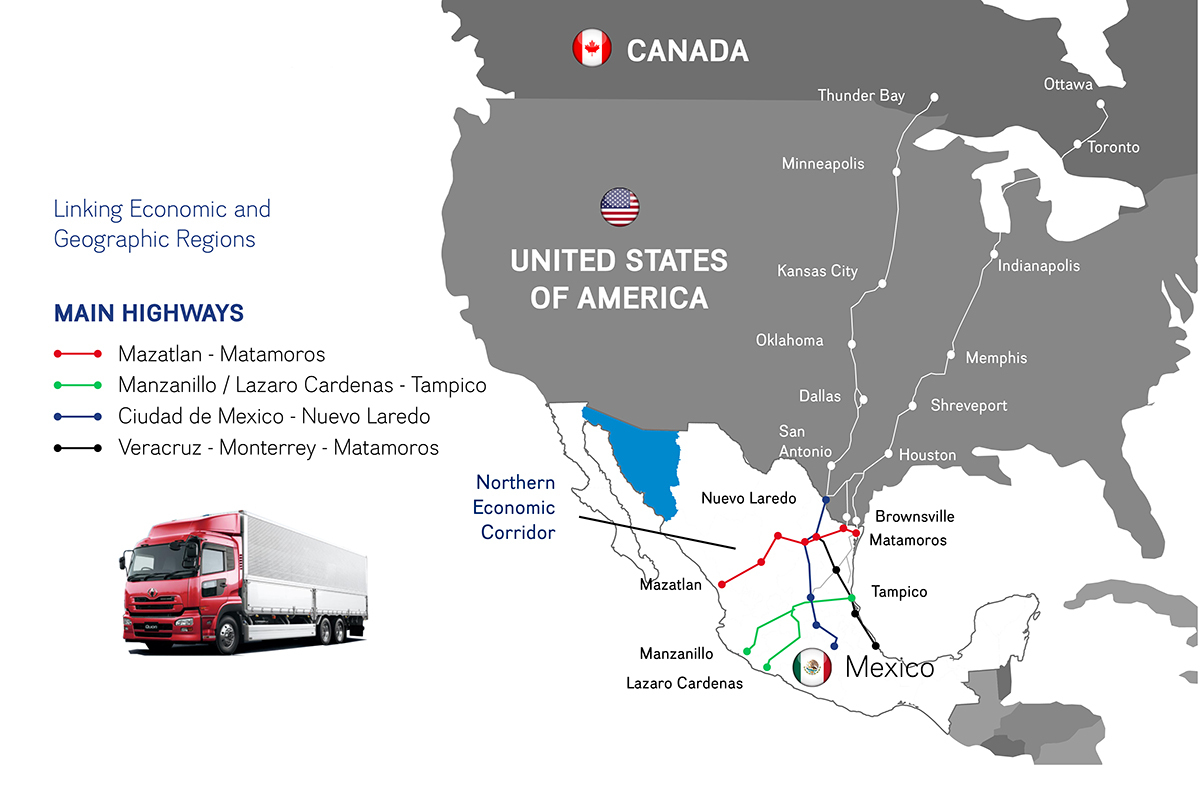
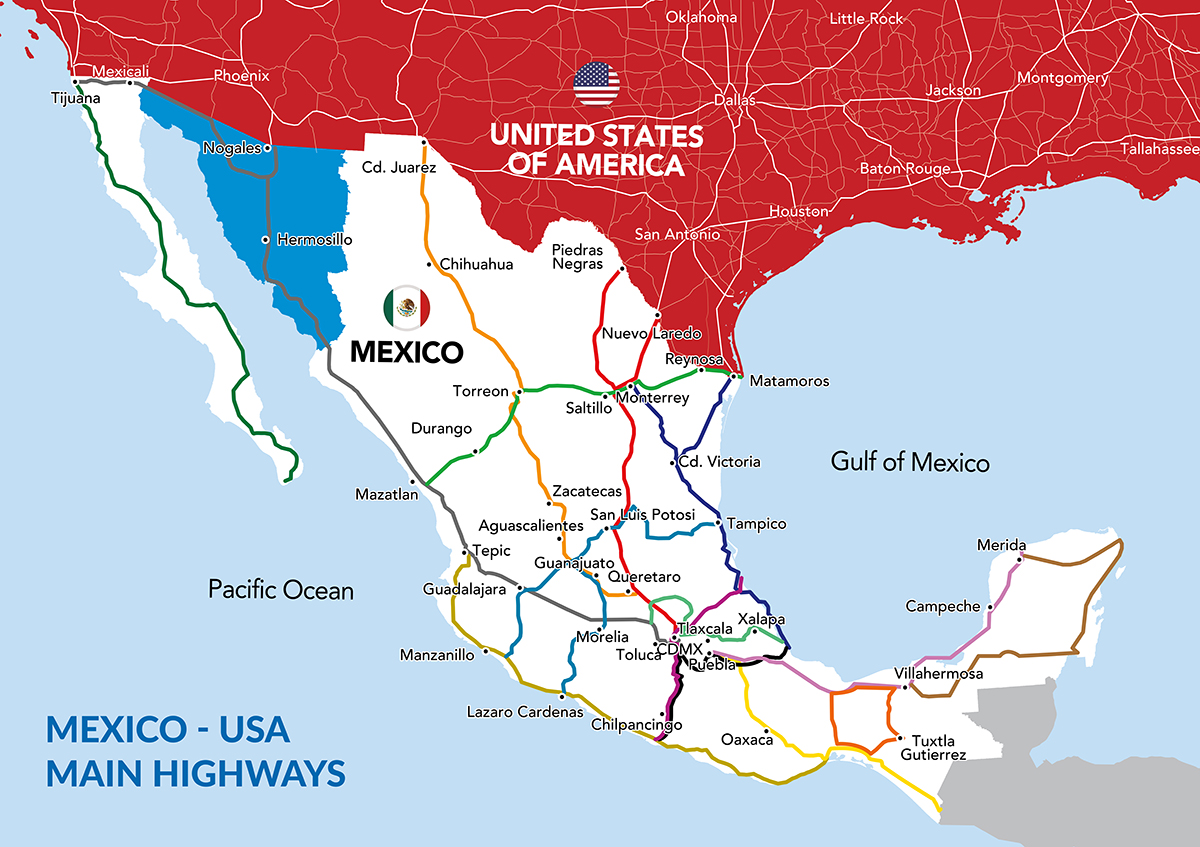
Sonora has an extensive road network that connects it with other regions of Mexico and the United States, making it an important transportation and trade hub in the region.
The road connectivity of Sonora is crucial for its economic development and accessibility. The state's infrastructure comprises 2,286.7 km of federal highways, facilitating seamless interconnectivity within and beyond its borders. Additionally, the state road network spans 3,611 km, enhancing regional accessibility and transportation efficiency.
The road network facilitates trade, tourism, and the transportation of goods and services, significantly contributing to the state's socio-economic development.
International border bridges are key components of Sonora's connectivity with its northern neighbors. Sonora, a state located in northwest Mexico, shares an extensive border with the United States, and these bridges are essential for facilitating trade between the two nations.
With a well-developed network of bridges, Sonora benefits from smooth connectivity that drives its economy and strengthens its ties with neighboring communities. These bridges are not only physical crossings over the rivers that mark the border but also symbols of the interdependence and cooperation between Mexico and the United States.
In addition to facilitating the flow of goods and people, they are entry and exit points that welcome travelers, tourists, and businesspeople, fostering diversity and cultural exchange.
Sonora has five strategically located airports throughout the state. These airports play a crucial role in facilitating passenger and cargo transportation, as well as in boosting tourism and regional trade. The General Ignacio Pesqueira García International Airport, located in Hermosillo, is the largest and busiest airport in the state. It serves as a significant hub offering both domestic and international flights, connecting Sonora.
Thanks to its network of modern and efficient airports, Sonora provides air transportation options for residents, visitors, and businesses, thus strengthening its position as an important economic and tourist center in the northwest region of Mexico

The state of Sonora has a vital maritime connection thanks to its extensive coastline on the Gulf of California. This strategic location provides access to important maritime trade routes and to a significant port: Guaymas.
Guaymas is a multipurpose maritime port that facilitates international trade and the import and export of goods. Additionally, Sonora has other minor ports along its coast, which contribute to the efficient transportation of products and materials.
Sonora's maritime connectivity not only benefits the state in terms of trade but also promotes economic development by facilitating the arrival of goods and products to the region and by providing opportunities for commercial expansion and investment.

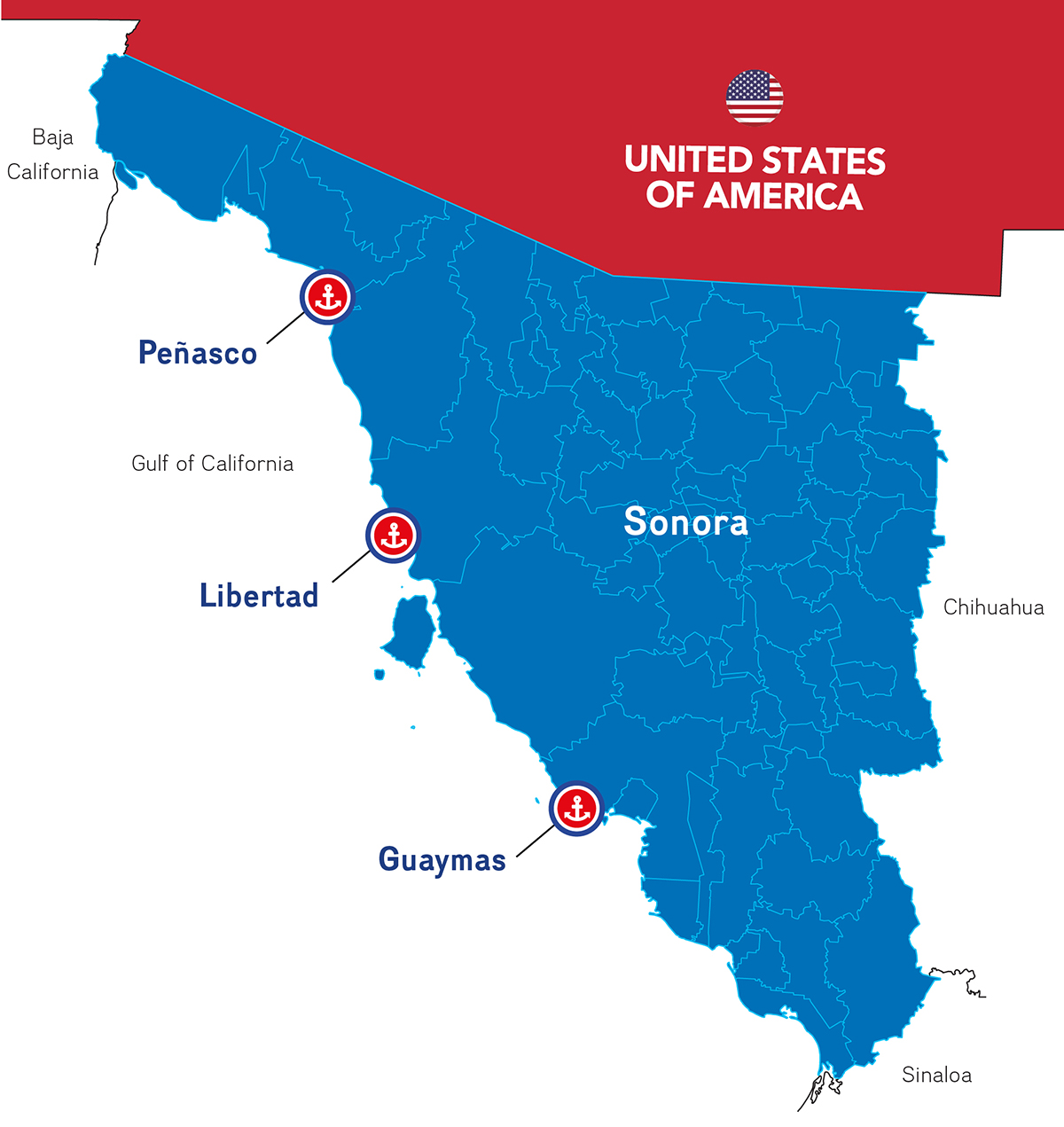
The port of Guaymas, located in the state of Sonora, is one of Mexico's main maritime ports. With a strategic location on the northwest coast of the country, this port plays a crucial role in international trade and regional logistics.
Guaymas is a multipurpose port that handles a wide variety of cargoes, ranging from containers and bulk goods to general cargo and finished products. Additionally, it boasts modern facilities and specialized equipment that enable efficient cargo handling and support various industries, including automotive, manufacturing, and agribusiness.
These maritime ports are important points of entry and exit for international trade and the import and export of goods. Sonora benefits from this maritime connectivity for the efficient transportation of products and materials, contributing to the state's economic and commercial development.